



 Español
Become Storm Smart & Prep Like a Pro
As you notice the dark clouds in the distance, you get a storm alert text from Central Hudson. You suddenly remember that you never replaced the old batteries in your LED lanterns, and now you’re stressing that you won’t be able to buy new ones before the nasty weather rolls in.
We’ve all been there. Storms and other weather events can be stressful! Whether you planned a nice backyard party that’ll now get ruined by a big thunderstorm, or your power goes out after you just bought a week’s worth of groceries, storms are not fun to navigate.
The good news is that there are easy solutions to alleviate that stress and worry of yours! Plan ahead by following these four steps and their actions needed/tips.

1. Be on the lookout for weather advisories and storm warnings
Ensure that you have communication methods that will offer weather updates. This can include:
- Registering for Central Hudson’s text message alerts by texting REG to 236483. Make sure to keep your power banks and portable chargers fully charged so you can continuously charge your devices – tablet, phone, and laptop – if the electricity goes out.
- Getting the latest weather updates from our trusted partner: www.hudsonvalleyweather.com.
- Having a battery-powered radio handy to keep informed of restoration efforts.
2. Prepare for a potential power outage
Be ready for your power to go out when you know a storm is coming to your area. To prepare:
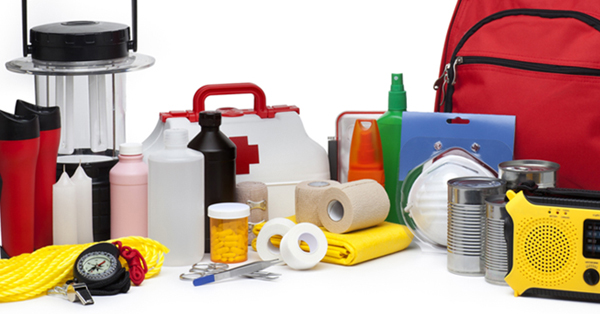
- Keep a flashlight and fresh batteries on hand.
- Double-check your food supply, and stock your pantry with packaged or canned foods that don’t require refrigeration or cooking. Avoid purchasing large quantities of perishable food items in preparation for a major storm.
- Avoid opening your refrigerator unnecessarily during outages, so food lasts longer. Have a cooler with ice or dry ice ready to help preserve your perishable foods.
- Be sure you have a non-electric can opener.
- If you have an electric water pump, always keep an emergency supply of bottled water on hand for drinking and washing.
- If a major storm is forecast, fill your bathtub with water as an added reserve.

3. Create and follow a severe weather emergency plan
Storms can sometimes turn into weather emergencies. If that happens, you can be ready by following your severe weather emergency plan. This includes:
- Having cash available in case of emergencies, as ATMs and credit card readers may not always be working.
- Taking photographs of important documents and personal belongings to help you quickly file an insurance claim after storm damage.
- Assembling a basic emergency supply kit. This could include a first aid kit, whistle to signal for help, and food and water for at least three days.
- Knowing where you would go if you and your family need to evacuate.
4. Exercise caution
During – and after – a weather event, be cautious and follow the safety tips below:
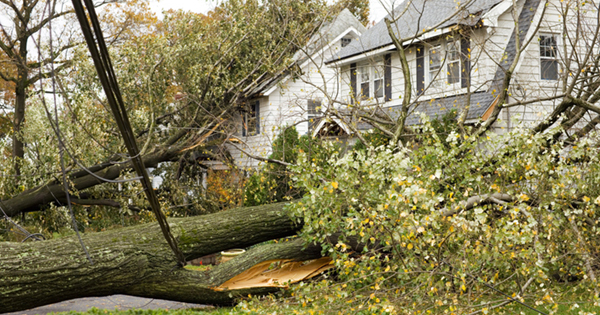
- Stay at least 30 feet away from downed power lines, as well as lines that may be entangled and hidden in fallen trees. Assume all downed lines are live.
- Report any gas odors by calling 911 or 1-800-942-8274, as severe flooding has the potential to undermine pipelines.
- Follow all travel advisories, heed road closures and detours, and limit driving during and immediately following severe weather.
- Use extreme caution when entering flooded basements, as there may be a risk of shock if the home’s or building’s electric system is compromised.
- Follow the manufacturer’s safety instructions on the use of emergency generators, and be sure to shut off the main breaker when in use and operate the units outdoors.
- Never use outdoor gas or charcoal grills indoors, as they pose a fire hazard and over time can give off deadly carbon monoxide gas. Use these appliances only outdoors with proper ventilation. Operate cars and motor vehicles outdoors only, and never in the garage.
Following these four steps can help keep you prepared and safe for future weather events of any severity level, so make sure you follow them now to be ready for the next big weather emergency!
For more information on preparing for storms and emergencies and communicating with Central Hudson, visit the Storms & Outages section on our website.